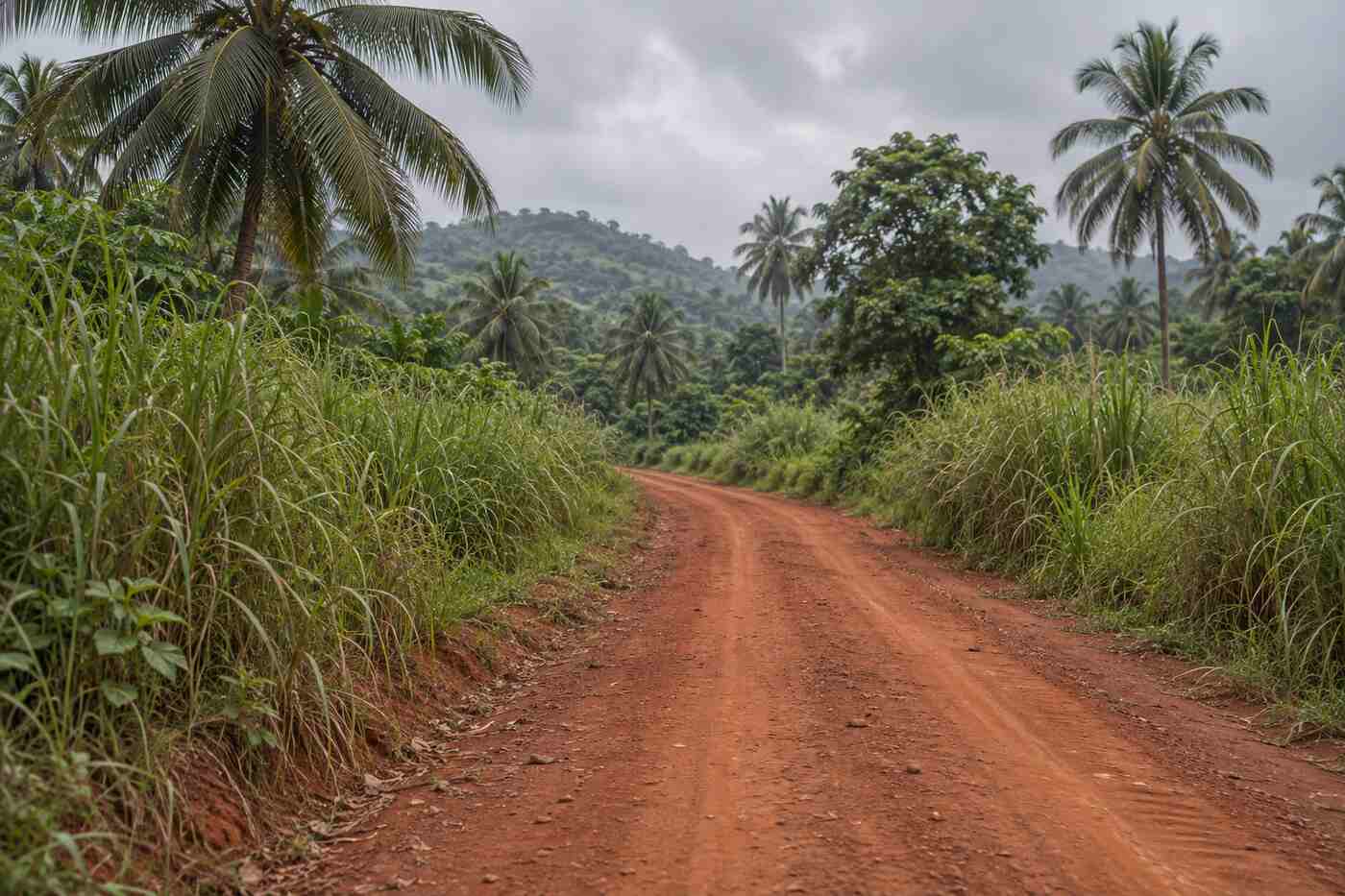
In short: the Sierra Leone civil war ran from 23 March 1991, when the Revolutionary United Front crossed from Liberia, to 18 January 2002, when President Ahmad Tejan Kabbah declared it over. It saw two coups, mercenary and regional interventions, the January 1999 attack on Freetown, the Lomé Peace Agreement of July 1999, a UN force of up to 17,500 and British troops in 2000. Estimates of the dead range from 50,000 to 70,000.
The war in Sierra Leone lasted almost eleven years and touched every district of the country. It is often remembered through diamonds, child soldiers and amputations, but its course was complicated: alliances shifted, governments fell, and several peace deals collapsed before one held. This Sierra Leone civil war timeline sets out the main events in order, with the background needed to follow them. It draws on the sources listed at the end; casualty figures are estimates and vary by source.
What caused the Sierra Leone civil war?
Sierra Leone became independent in 1961. After the death of the first prime minister, Sir Milton Margai, in 1964, politics were increasingly marked by corruption, mismanagement and electoral violence, according to the Wikipedia history of the war. Siaka Stevens, in power from 1968, turned the country into a one-party state and handed over to Major General Joseph Momoh in 1985. By 1991 Sierra Leone was one of the poorest countries in the world despite its diamonds, gold, bauxite and rutile.
Diamonds, found in the early 1930s in Kono and Kenema, slipped out of state control after De Beers withdrew in 1984; by the late 1980s almost all were smuggled. Next door, the First Liberian Civil War sent about 80,000 refugees to the border. The Truth and Reconciliation Commission later concluded that endemic greed, corruption and nepotism were the central cause, and that diamonds, while fought over, did not cause the war.

1991–1995: the RUF war and the NPRC
On 23 March 1991 the Revolutionary United Front (RUF), led by Foday Sankoh and backed by Charles Taylor’s National Patriotic Front of Liberia, crossed into Sierra Leone to overthrow Momoh’s government. Within a year it held large areas of the east and south, including diamond fields.
On 29 April 1992 junior officers led by Captain Valentine Strasser overthrew Momoh and formed the National Provisional Ruling Council (NPRC). With Nigerian ECOMOG help the army retook Koidu and the Kono diamond districts in March 1993 and pushed the RUF to the Liberian border; many thought the war was over. It was not. In January 1995 the RUF and dissident soldiers seized the bauxite and rutile mines in Moyamba and Bonthe.
1995–1997: mercenaries, elections and Abidjan
In March 1995 the government hired Executive Outcomes, a South African private military company, for a reported $1.8 million a month. Its force of 500 advisers and 3,000 soldiers, with air support and working alongside loyal troops and Kamajor militias, drove the RUF back within days and retook the diamond districts within seven months.
Elections in February and March 1996 brought Ahmad Tejan Kabbah of the Sierra Leone People’s Party to power. On 30 November 1996 the government and RUF signed the Abidjan Peace Accord, the date from which the Special Court would later claim jurisdiction. In January 1997 Kabbah ordered Executive Outcomes out before a neutral monitoring force arrived, and in March 1997 Sankoh was arrested in Nigeria.
1997–1998: the AFRC coup
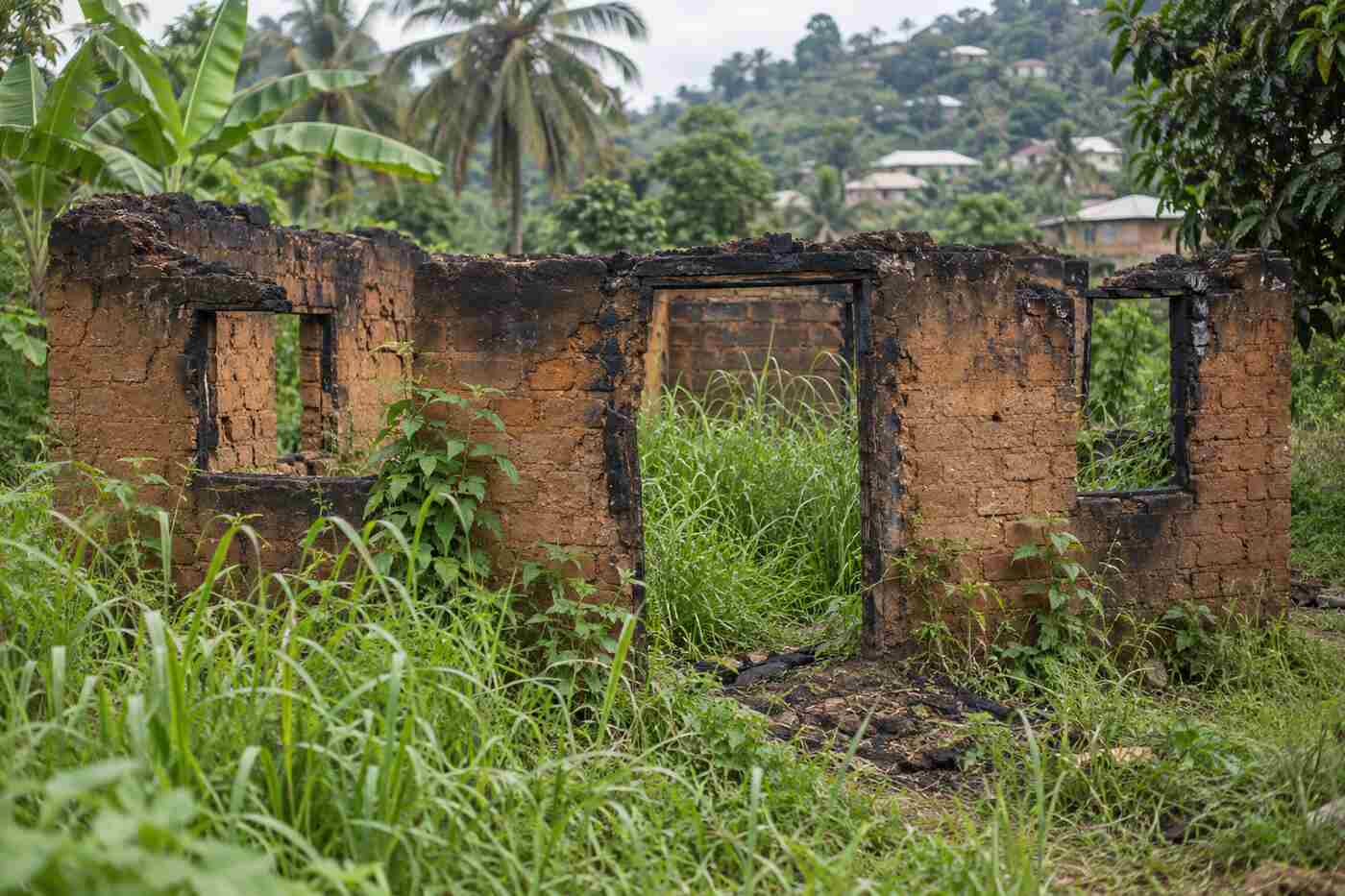
On 25 May 1997 army officers staged a coup, freed and armed 600 prisoners from Pademba Road prison and set up the Armed Forces Revolutionary Council (AFRC) under Major Johnny Paul Koroma. About 5,000 RUF and dissident soldiers took Freetown, and Koroma made the detained Sankoh his deputy. A Conakry peace plan in October 1997 failed. In March 1998 ECOMOG forces retook Freetown and restored Kabbah.
January 1999: the attack on Freetown
In January 1999 AFRC and RUF forces attacked the capital. The assault, known as “Operation No Living Thing,” was among the worst episodes of the war. A Human Rights Watch report cited by Wikipedia estimated that more than 7,000 people were killed, at least half of them civilians. The Special Court later found that Charles Taylor helped plan attacks on Kono, Makeni and Freetown in late 1998 and January 1999; see our guide to the Special Court for Sierra Leone.
July 1999: the Lomé Peace Agreement
Exhausted and with Nigerian support weakening, Kabbah negotiated. A ceasefire was signed in Lomé, Togo, on 18 May 1999, and the Lomé Peace Agreement on 7 July 1999; Parliament ratified it unanimously on 16 July. Its 37 articles granted amnesty to Sankoh and all combatants, let the RUF become a political party, offered it four cabinet posts and gave Sankoh, with the status of vice-president, the chairmanship of the commission over strategic resources, including diamonds. The UN representative signed with a caveat that the amnesty did not cover war crimes or crimes against humanity. (One section of the Wikipedia war article gives 27 March 1999 for the signing; the Lomé article and the TRC record 7 July.)
2000–2002: UNAMSIL, British troops and peace
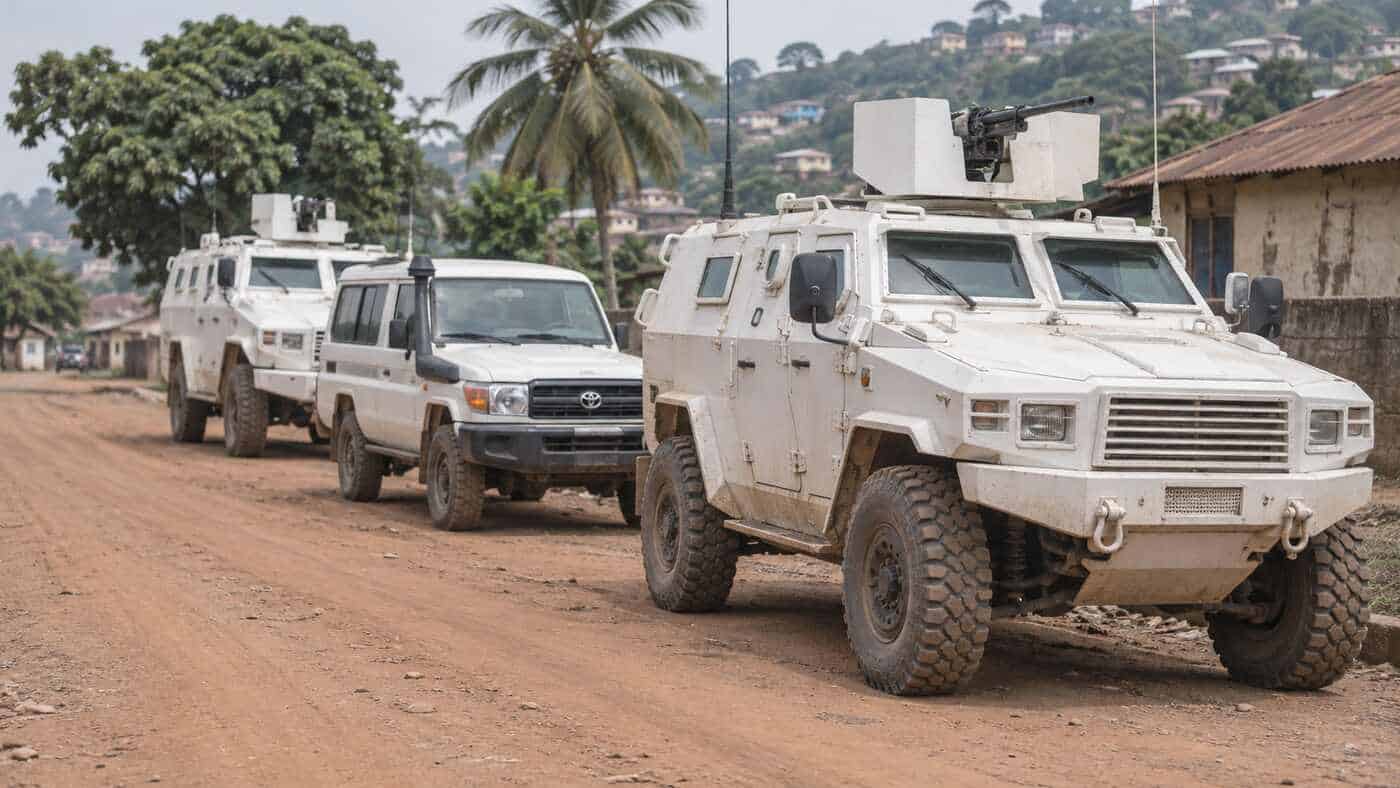
The UN set up its mission, UNAMSIL, in October 1999, with troops arriving from December. In May 2000 the RUF seized more than 500 peacekeepers and advanced on Freetown. British forces landed in Operation Palliser to evacuate foreigners and stabilise the capital; with half the country still under RUF control, a 1,200-strong British force helped tilt the balance toward the government. Operation Khukri rescued 223 Gurkha Rifles soldiers besieged for more than 75 days at Kailahun.
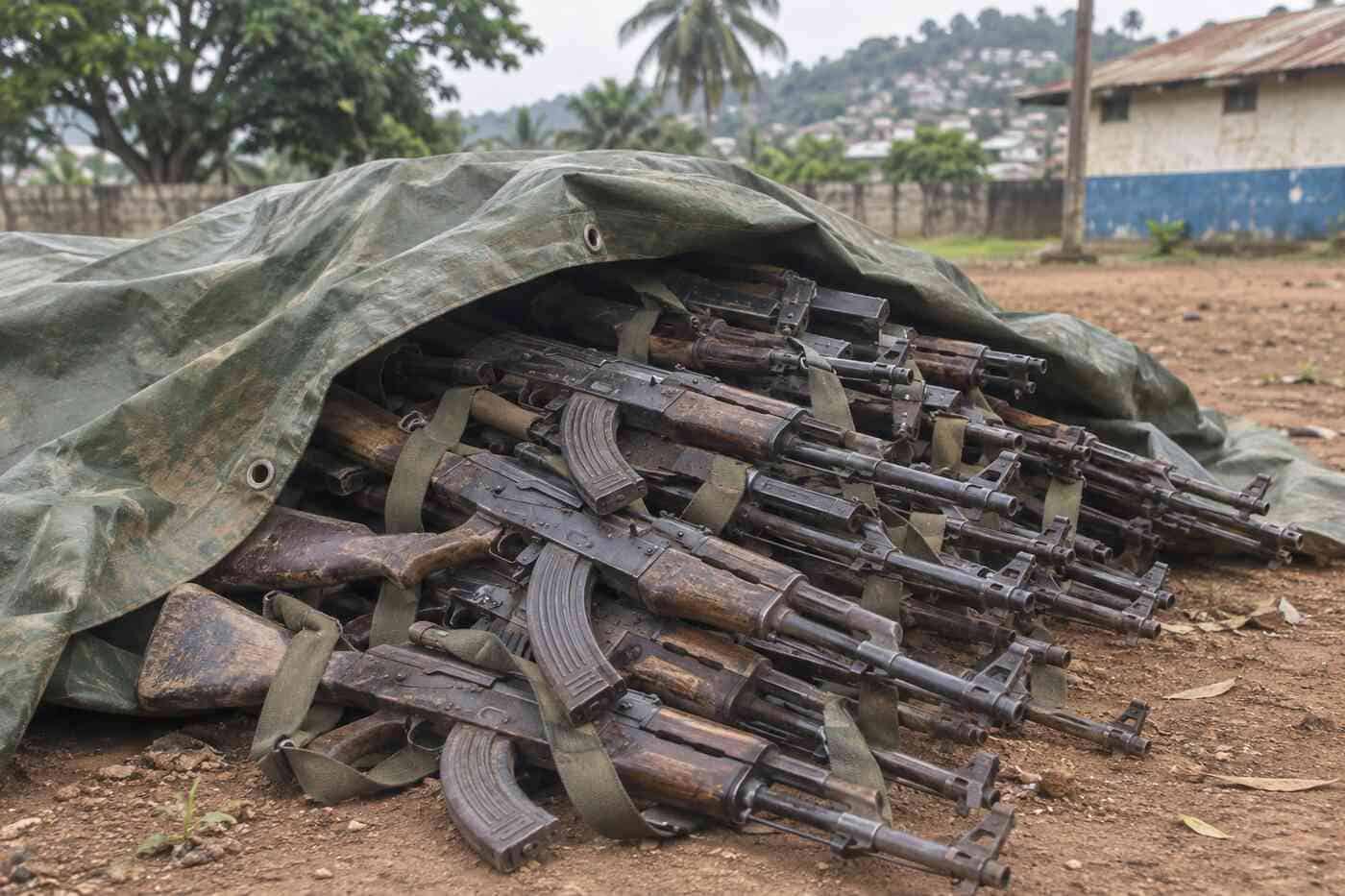
UNAMSIL grew to 17,500 troops by March 2001, then the largest UN force in the world. Disarmament began in earnest in May 2001. By 2002 the camps had collected more than 45,000 weapons and processed more than 70,000 former combatants. On 18 January 2002 Kabbah declared the war over.
Sierra Leone civil war timeline at a glance
| Date | Event |
|---|---|
| 23 Mar 1991 | RUF invades from Liberia |
| 29 Apr 1992 | NPRC coup; Strasser takes power |
| Mar 1995 | Executive Outcomes arrives |
| Feb–Mar 1996 | Elections; Kabbah becomes president |
| 30 Nov 1996 | Abidjan Peace Accord |
| 25 May 1997 | AFRC coup; Freetown taken |
| Mar 1998 | ECOMOG restores Kabbah |
| Jan 1999 | AFRC/RUF attack on Freetown |
| 7 Jul 1999 | Lomé Peace Agreement |
| Oct 1999 | UNAMSIL established |
| May 2000 | Peacekeepers seized; British intervention |
| 18 Jan 2002 | War declared over |
The human cost
Estimates of the dead range from 50,000 to 70,000, and about 2.5 million people were displaced inside and outside the country. The war destroyed 1,270 primary schools. About a quarter of government soldiers were under 18, and the TRC found that children aged 10 to 14 were especially targeted for forced recruitment. A Physicians for Human Rights report attributed 93 per cent of sexual assaults to the RUF and estimated 215,000 to 257,000 victims of rape. The TRC found that both sides deliberately targeted civilians.
After the war: justice and remembrance
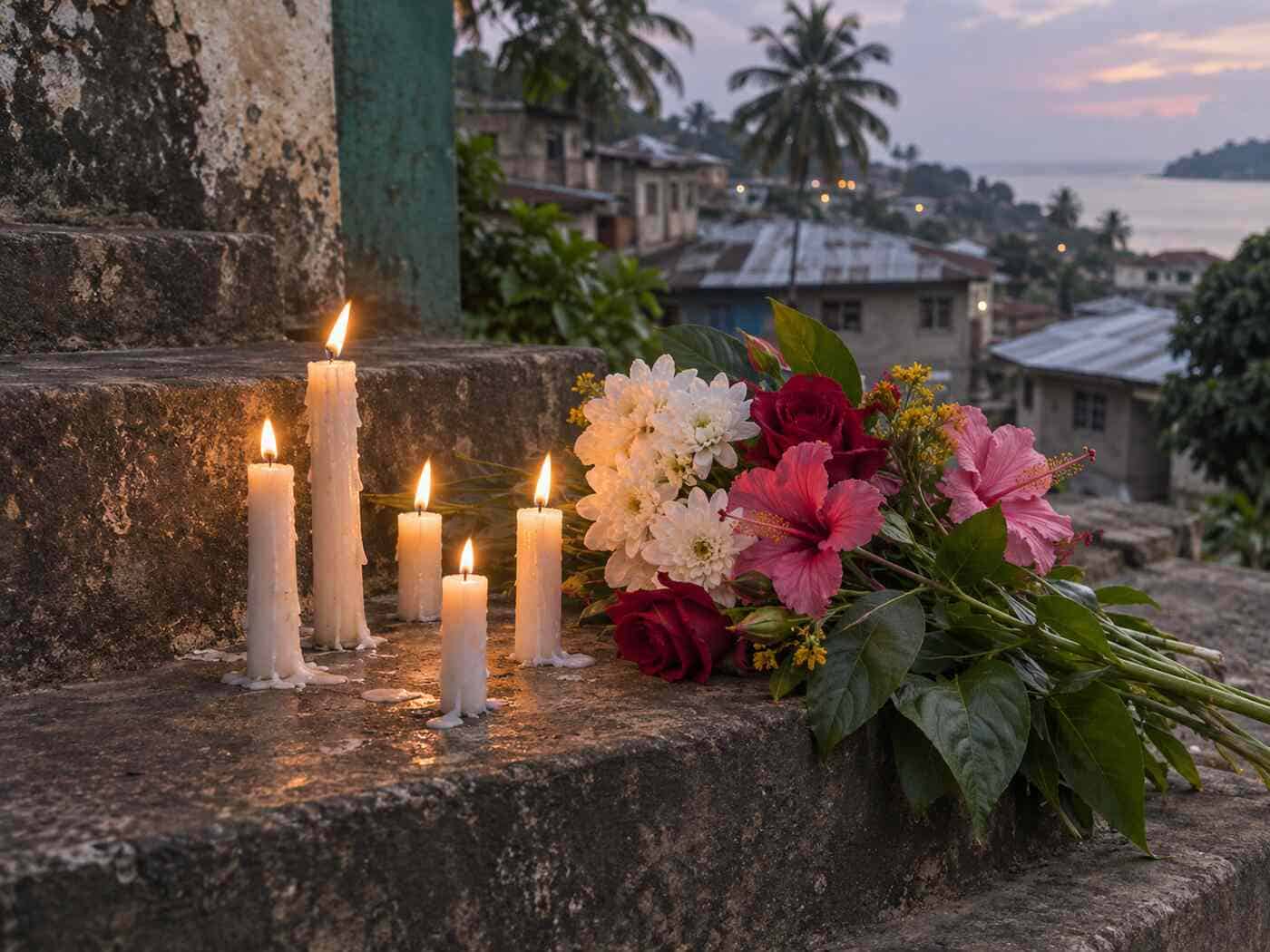
Kabbah won re-election in May 2002; the RUF’s party won no seats. The Truth and Reconciliation Commission, chaired by Bishop Joseph Christian Humper, sat from 2002 to 2004 and presented its report on 5 October 2004. The Special Court indicted 23 people. Sankoh died in custody in July 2003 before trial. UNAMSIL left in December 2005. On 18 January 2026 Sierra Leone held its first National Day of Remembrance for the war’s victims. The war also shaped the country’s press; our history of newspapers in Sierra Leone and history of Freetown cover those stories.
Key takeaways
- The Sierra Leone civil war lasted from 23 March 1991 to 18 January 2002.
- The TRC named corruption and failed governance as its central cause, not diamonds alone.
- Two coups, in 1992 and 1997, and several failed peace deals preceded the 1999 Lomé agreement.
- UN peacekeepers and British troops in 2000 helped end the fighting.
- Between 50,000 and 70,000 people died and about 2.5 million were displaced.
Common questions
When did the Sierra Leone civil war start and end?
It started on 23 March 1991, when the RUF crossed from Liberia, and ended on 18 January 2002, when President Kabbah formally declared it over. That is almost eleven years. Disarmament had begun in earnest in May 2001.
Who were the RUF?
The Revolutionary United Front, a rebel movement led by Foday Sankoh and backed by Charles Taylor’s forces in Liberia. It fought to overthrow the government and became notorious for attacks on civilians, forced recruitment of children and amputations. Its leaders were later tried by the Special Court.
How many people died in the Sierra Leone civil war?
Estimates range from 50,000 to 70,000 dead, with about 2.5 million people displaced. The January 1999 attack on Freetown alone killed more than 7,000, according to a Human Rights Watch estimate. Exact figures are not known.
Was the war about blood diamonds?
Diamonds funded armed groups and diamond areas were fought over, but the Truth and Reconciliation Commission concluded that diamonds did not cause the conflict. It named endemic greed, corruption and nepotism, and the collapse of accountable government, as the central causes.
What ended the war?
A combination of the 1999 Lomé agreement, a large UN peacekeeping force, British military intervention in 2000 and a disarmament programme that collected more than 45,000 weapons. Kabbah declared the war over on 18 January 2002.
How we put this together: events and figures follow the Wikipedia history of the civil war, with the peace terms from the Wikipedia article on the Lomé Peace Accord, causes and findings from the TRC article, and court details from the Special Court article. Where these differ, as on the Lomé signing date, we name the difference.